Jumat, 31 Maret 2023
Show HN: Smart Rabbit answers children's questions and is funny https://ift.tt/fxHG69i

Show HN: Walkie-Talkie for Badass Developers https://ift.tt/614Q0UK
Show HN: RoboPianist, a piano playing robot simulation in the browser https://ift.tt/2AyvkN1
The Municipal Railway Planning Division & The First 5-Year Plan
By Kelley Trahan
The San Francisco Municipal Railway 5-Year Plan, 1979-1984 was the first comprehensive service plan created by the first San Francisco Municipal Railway transportation planners. The plan introduced a grid system to provide more efficient crosstown service with better neighborhood connections that would improve access and increase ridership, moving away from Muni’s prior service design focused on trips to and from downtown. It also provided service standards, including coverage, capacity and stop spacing, many of which continue to inform Muni planning efforts today. The San Francisco Municipal Railway saw many changes at this time, including the opening of the Muni Metro, the conversion of some lines from diesel to electric trolley bus, a simplified fare structure and increased fares and historic streetcar service on Market Street.
Prior to the mid-1970s, the San Francisco Municipal Railway’s service development was determined by a mix of privately-operated transit systems it had acquired, rather than one master transit plan. This changed when the federal government required the agency to submit a 5-year plan to be eligible for funding.
The entire process began when President Lyndon B. Johnson signed the Urban Mass Transportation Act of 1964 into law in response to the nation’s long-term transportation investment needs. The new law provided grant and loan money to local transportation systems and created an oversight agency, the Urban Mass Transportation Administration (UMTA), which would be renamed the Federal Transit Administration (FTA) in 1991. The Metropolitan Transportation Commission (MTC) then was put together by the California State Legislature in 1970 and tasked with reviewing transportation grant applications submitted by agencies in the state.
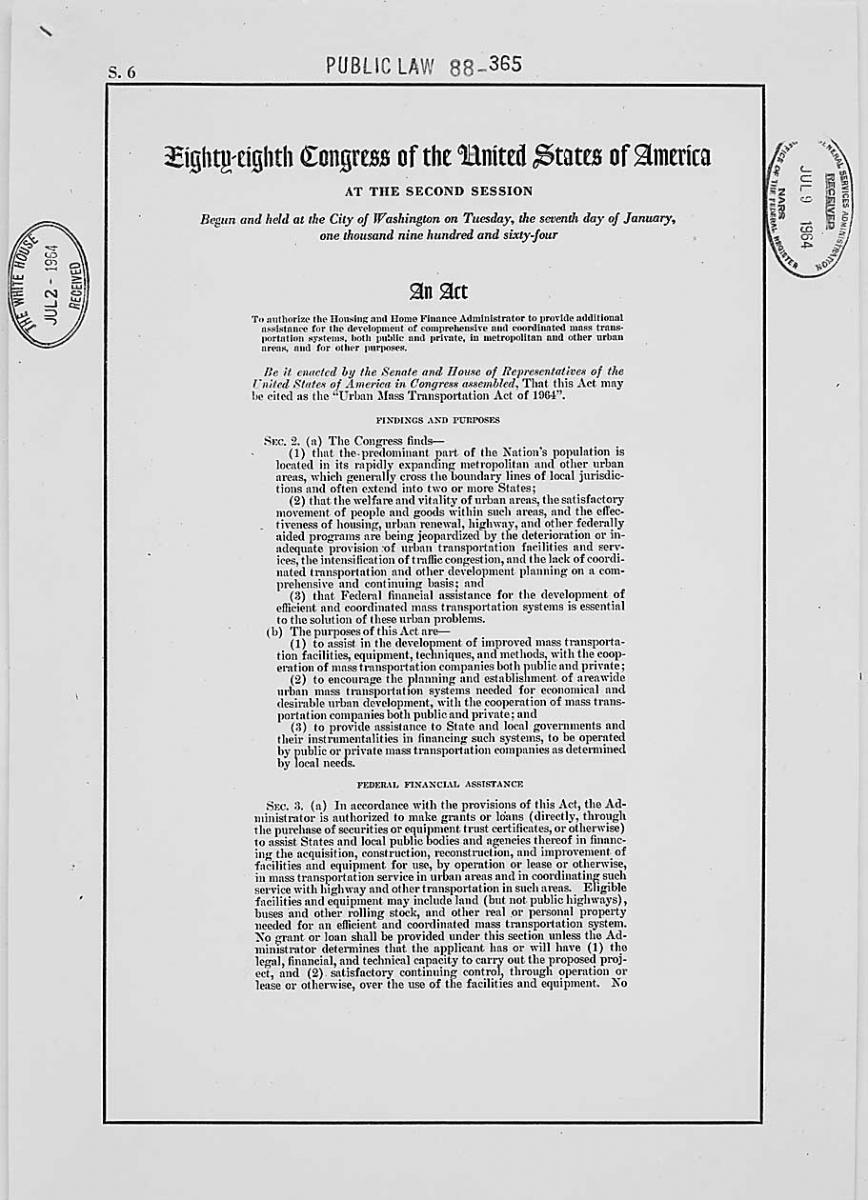
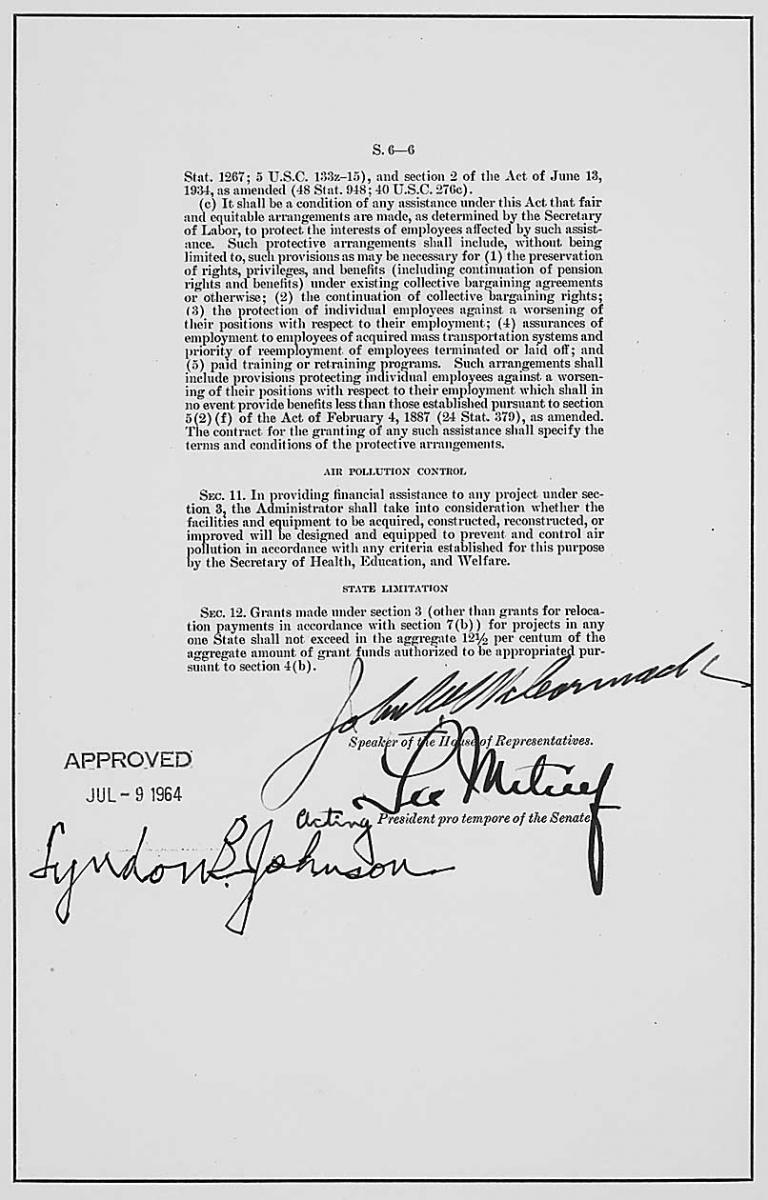
Urban Mass Transportation Act of 1964, Public Law 88-365, 78 STAT 302
An in-depth study of Muni was undertaken in 1974 by Wilbur Smith & Associates, a private consultant and author of the UMTA’s Characteristics of Urban Transportation Demand: A Handbook for Transportation Planners. The Municipal Railway Planning, Operations and Marketing (POM) Study was completed in 1977 and analyzed the Muni system and the travel needs of its riders and made recommendations for a 5-Year Plan.
A new in-house Muni Planning Division that had been created with UMTA funding in 1974 presented the POM Study at more than 70 community meetings, and after intense review and several revisions, The San Francisco Municipal Railway 5-Year Plan, 1979-1984 was drafted.
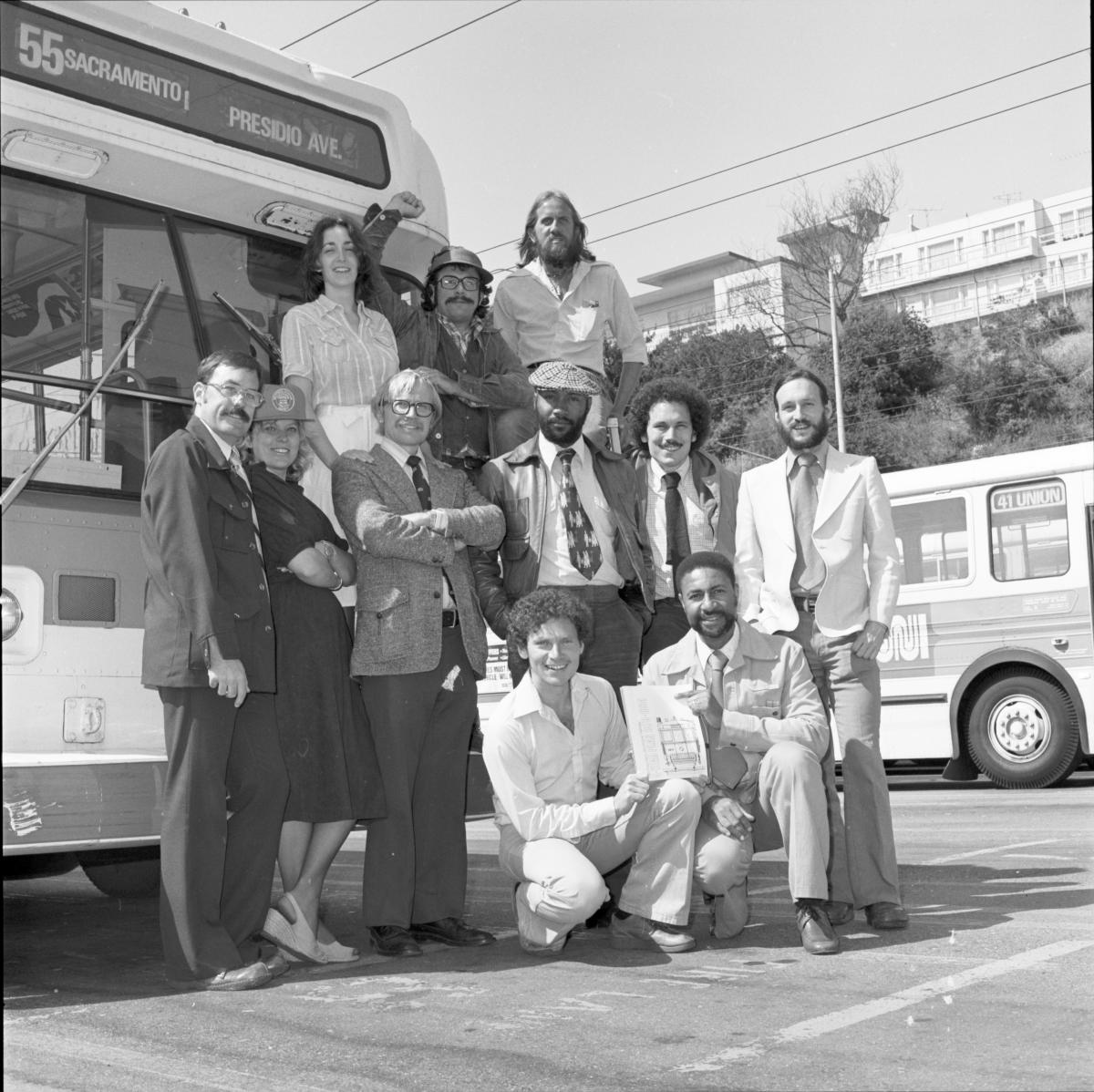
Muni Planning Division Employees in Presidio Trolley Coach Yard, May 17, 1979
Since that first plan was written, transportation planning at the SFMTA has expanded to include capital projects, street design, bike lanes, paratransit, parking, historic streetcars and much more, while promoting safety, equity and sustainability. The SFMTA continues to publish an operating and service plan approximately every 10 years, now called the Short-Range Transit Plan (SRTP), which is based on the needs, goals and agency priorities to serve the people of San Francisco.
Published March 31, 2023 at 01:26AM
https://ift.tt/trIEkMQ
Show HN: Kaskada – modern, open-source event processing https://ift.tt/ZAdYq7O
Show HN: Meteosource Weather API: current, forecast and historical data using ML https://ift.tt/sAQrGIT
Kamis, 30 Maret 2023
Show HN: Marvin – build AI functions that use an LLM as a runtime https://ift.tt/hIwjFW5
Show HN: SpamZappr – AI-Powered Spam Detection Solution https://ift.tt/doUhpLj
Show HN: Want something better than k-means? Try BanditPAM https://ift.tt/VNvyw0o
Show HN: DataLegendAI – Amazon Sales Tracker – The Most Accurate https://ift.tt/S4DBzCP
Show HN: Neural Radiance Voxel Viewer for WebGL https://ift.tt/y7zFHa1
Show HN: Mirrorful – A developer-first way to implement designs faster https://ift.tt/KGV2rFa
Rabu, 29 Maret 2023
Show HN: Atmos – Everything you need to create color palettes https://ift.tt/HlLqrZn
Show HN: GPT Calculator – Calculate the token count and cost of your GPT Prompt https://ift.tt/96sQXRI
Show HN: Customizable, embeddable Chat GPT based on your own documents https://ift.tt/8ZSNO6y
Show HN: GPT4 vs. GPT3:What you should know https://ift.tt/HTsnfiu
Show HN: A fully open-source (Apache 2.0)implementation of llama https://ift.tt/6p2VnH8
Selasa, 28 Maret 2023
Show HN: JavaScript Version of Douglas Hofstadter's Copycat https://ift.tt/0KYGICS
Senin, 27 Maret 2023
Show HN: Hacker Cabin https://ift.tt/vakTeR5
Show HN: GPT My Life https://ift.tt/We72b4a
Show HN: KGraph, a GPU-accelerated graph plotter https://ift.tt/SV3twCO
Show HN: SlickGPT https://ift.tt/NMSVczd
Show HN: Notclick.in – summarize YouTube videos with ChatGPT https://ift.tt/pC0eGA6
Minggu, 26 Maret 2023
Show HN: Pangolier – Write UI tests for the web platforms in YAML https://ift.tt/jKnHIEv
Show HN: I made a non-trivial iOS app with GPT-4 in just a few hours https://ift.tt/vXVL6rU
Show HN: Grant-Funded FAFSA help, 1:1 college access coaching, and Fin Aid https://ift.tt/iBs7VK3
Show HN: 13Sheep – a JavaScript game largely authored by ChatGPT https://ift.tt/IxstDZq
Show HN: Lunette – A word processor designed around writing, not formatting https://ift.tt/8LFK7H9
Sabtu, 25 Maret 2023
Show HN: ESER-32/Zuse Elektra emulator https://ift.tt/5iYW2Ro
Show HN: CommandClick: WebBrowser enforced by JavaScript and shellscript(Termux) https://ift.tt/Qtje5KI
Show HN: FTX Creditor – Confirm that the bankruptcy court has your claim https://ift.tt/BphC26j
Show HN: Sync your keys and configs via an encrypted Git https://ift.tt/hSpQqPi
Show HN: Her – An AI assistant powered by ChatGPT https://ift.tt/1t5TBQD
Show HN: Naja-Verilog – Structural Verilog Parser https://ift.tt/5GliP7x
Jumat, 24 Maret 2023
Show HN: ChatGPT develops a Dungeons and Dragons multiplayer game https://ift.tt/LNHwU0j
Show HN: Create a “rogue” WiFi AP & Captive Portal with a Raspberry Pi https://ift.tt/etnwYVc
Show HN: AlpacApp – An Extendable and Highly Customizable Website Builder https://ift.tt/C4FBLsH
Show HN: PromptLab–Prompt Chain Iteration for Nontechnical Users https://ift.tt/D7MIlCB
Show HN: Datapane – A new way to build reports, dashboards, and apps in Python https://ift.tt/Mqv9YzQ
Kamis, 23 Maret 2023
Show HN: Wrapper around restic for Docker Compose https://ift.tt/nSMO83B
Show HN: GPT-4 autonomously editing a program allowing it to edit programs https://ift.tt/cswYmqd
Show HN: Cursor – IDE built for coding with GPT-4 https://ift.tt/V0YAxLN
Show HN: Dungeon Map Doodler Beta - Free online map drawing tool https://ift.tt/v0cD5au
Show HN: Unscribbler – Simple Handwriting Reader https://ift.tt/VScG7FY
Show HN: Zapier universal API (using natural language) https://ift.tt/wJcQjzp
Rabu, 22 Maret 2023
Show HN: Generate styled web pages with just Python https://ift.tt/9IOKqfD
Show HN: Cfnctl – Terraform CLI experience to AWS Cloudformation https://ift.tt/HKOCw54
Show HN: Google Bard vs. OpenAI ChatGPT: The dice problem part one https://ift.tt/aNTiKZz
A Decade of Rolling out the Red Carpet for Riders
By Cassie Halls
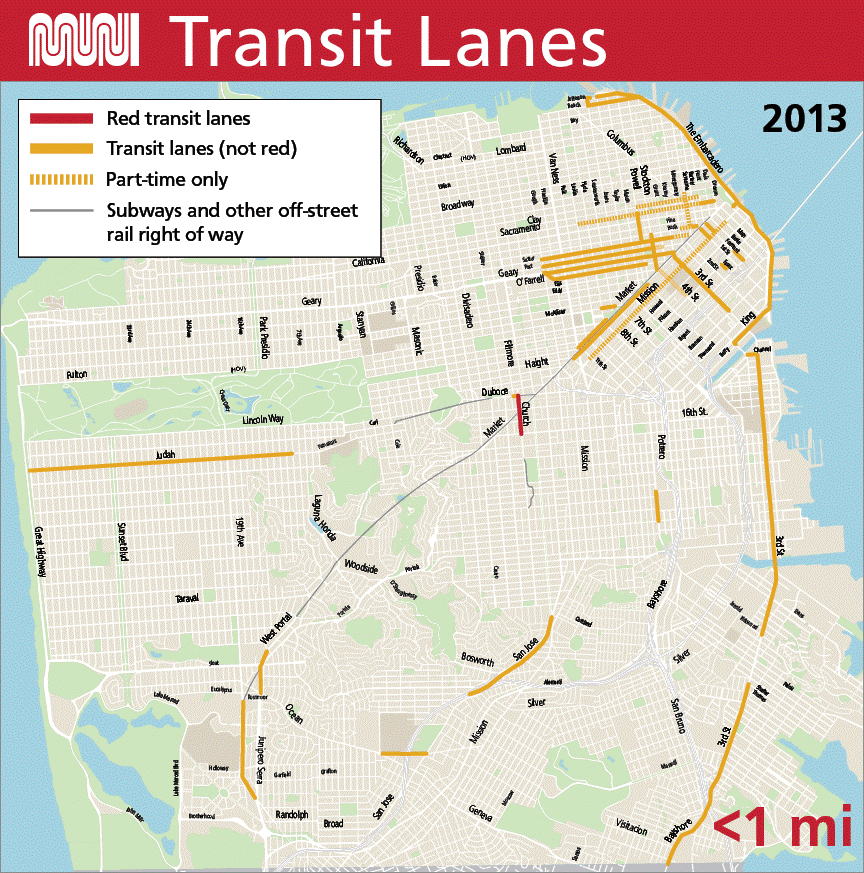
An animated map showing the expansion of red transit lanes in San Francisco. View as a PDF. Accessible version of the expansion of red transit lanes:
Red Transit Lanes Over Time in San Francisco from 2013 to 2023
There is nothing quite like looking out the window at gridlock traffic while your bus coasts down a red transit lane. This may feel like an “only in San Francisco” pleasure – after all, San Francisco was one of the first U.S. cities to “roll out the red carpet” by painting bus lanes red. But red transit lanes have now become a popular way to keep buses out of traffic in more than 25 cities across the country.
The SFMTA is celebrating a decade since the installation of San Francisco’s first red transit lane on Church Street on March 23, 2013. You can help us celebrate by riding that first red transit lane between Duboce and 16th Streets on Muni’s 22 Fillmore and J Church along with thousands of other weekday riders. As you whiz past traffic, you may feel the estimated 14% time savings afforded by the red color.
If you drive, help us celebrate by keeping transit lanes clear. Remember, double parking in transit lanes is camera enforced. Transit lanes are an essential tool to keep Muni moving on San Francisco’s busy streets.
Dedicated transit lanes started popping up in the city as early as the 1970s following the adoption of the city’s Transit-First Policy (which happens to be turning 50 this month). As of 2023, over 20 lane miles of transit lanes now also have the red treatment, in addition to 55 miles of transit and bus/HOV lanes without red paint.
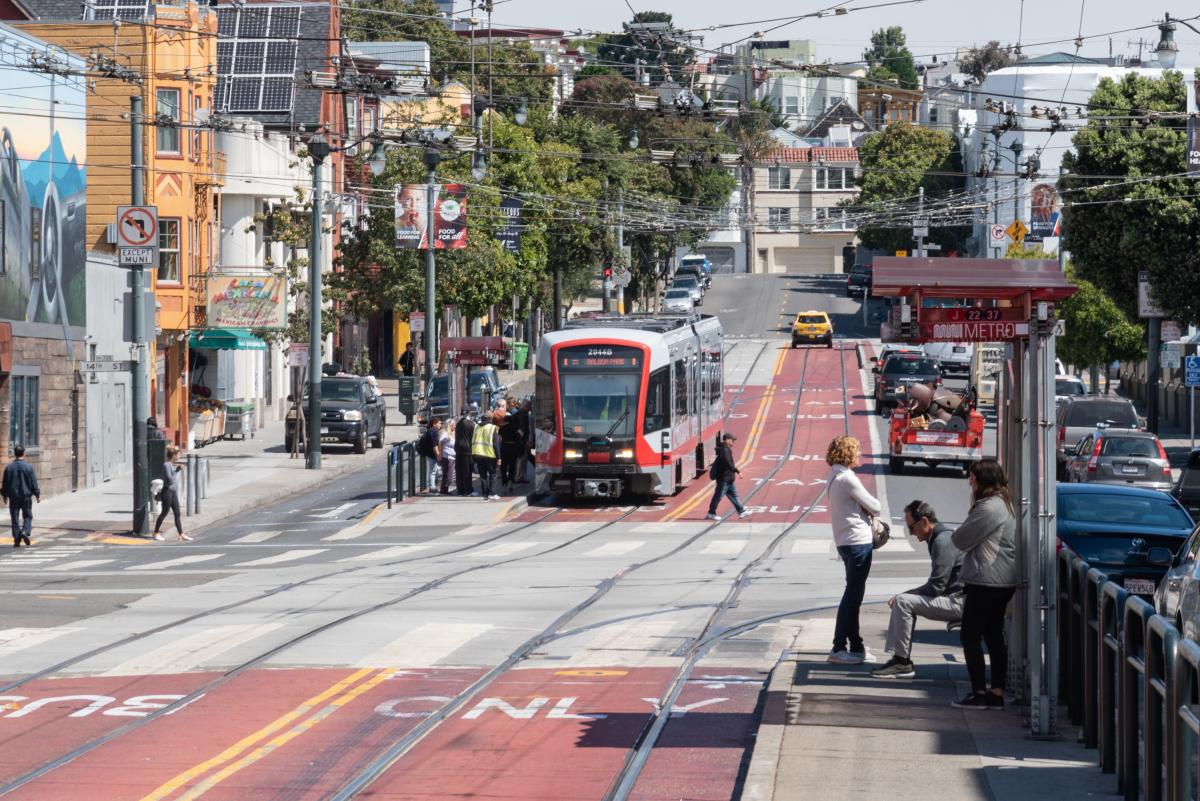
J Church train using red transit lanes on Church at Market Street.
Although often the most visible, transit lanes are one of more than 20 tools in our toolbox to improve transit reliability and reduce delays. With Muni Forward, we’ve built more than 80 miles of transit corridor reliability improvements to keep Muni moving — with upgrades like bus bulbs for faster boarding and traffic signals that stay green for transit.
As an early adopter of red transit lanes, the SFMTA helped lay the groundwork to change federal guidelines to make it easier to paint lanes red. This is because red colorization has led to a 55% improvement in motorist compliance and is a cost-effective way to reduce delays. We have to say they’re looking great for their age!
We know that despite our best efforts, Muni buses and trains are sometimes stuck in traffic and transit lanes are occasionally blocked. That is why we continue to innovate to bring improvements to our riders. Last year we colorized six miles of transit lanes in the Van Ness Improvement Project, Geary Boulevard Improvement Project, and along Mission Street in SoMa, 4th Street and Stockton Street. We also continue to install Muni Forward transit priority projects across the city and push for further compliance improvements through an education campaign for motorists. The SFMTA was also recently awarded a state grant to deploy new next-generation camera technology as a part of the transit lane enforcement program.
Stay tuned for more red transit lanes and other reliability improvements in the year ahead.
Published March 22, 2023 at 03:35AM
https://ift.tt/teCnYNw
Show HN: Watermelon – GPT-powered code contextualizer https://ift.tt/MrUxNkV
Show HN: Harmonized Data Platform https://ift.tt/F1SzBR0
Selasa, 21 Maret 2023
Show HN: Go-testdeep, testing JSON content in Golang https://ift.tt/fkGo2IW
Show HN: Find words “halfway” between two others https://ift.tt/qcjhFYZ
Show HN: Great Books Homeschool beta program https://ift.tt/tE4k9u1
Show HN: Warn Orders allow employed to view upcoming layoffs up to 60d out https://ift.tt/N7ETMpd
Show HN: Typingo – Typing game written in Go https://ift.tt/mhwyBP8
Show HN: I built an app to chat with yourself based on your diary https://ift.tt/mYlc0NF
Senin, 20 Maret 2023
Show HN: Sure Stack for Developers https://ift.tt/xzRQr8G
Show HN: Chatblade – A CLI Swiss Army Knife for ChatGPT https://ift.tt/dH8JCzK
Show HN: A living archive of albums recommended by the New Yorker https://ift.tt/Yplv5hS
Show HN: Next.js ChatGPT – Responsive chat application powered by GPT-4 https://ift.tt/AiUdzKN
Show HN: GPT-4 Beats Humans at Hard Rhyme-Based Riddles https://ift.tt/1sUpScK
Minggu, 19 Maret 2023
Show HN: I want to change how people buy health supplements https://ift.tt/Yf2WJ3M
Show HN: Andromeda Invaders: Autoplay - Press ‘Enter’ twice and wait 5 seconds https://ift.tt/miqvoQX
Show HN: RoboMUA – AI-Powered Beauty Solutions for All Skin Shades https://ift.tt/uHNjPoK
Show HN: Supersonic: a desktop client for Subsonic music servers built with Go https://ift.tt/VtDqUJM
Show HN: Easy-to-use licensing library for .NET apps https://ift.tt/EZjrbNO
Show HN: Metallic UI component library (Metalmorphism) https://ift.tt/I7FQCBE
Sabtu, 18 Maret 2023
San Francisco’s Transit-First Policy Turns 50
By Michael Delia
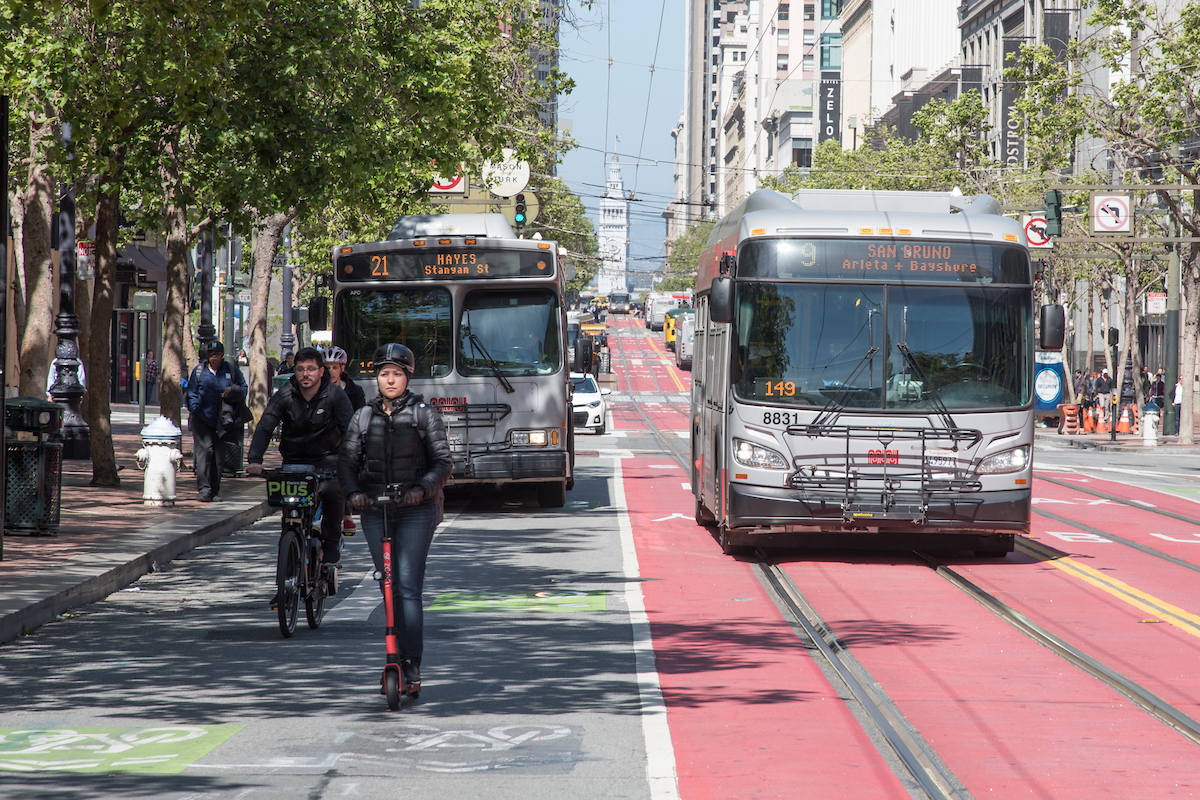
Transit on Market Street in downtown San Francisco, 2018
It’s been a half-century since the San Francisco Board of Supervisors put transit needs above all other traffic initiatives, and now, the city’s Transit-First policy is celebrating its golden anniversary. The policy guides the city’s work on major infrastructure projects and planning efforts. Its principles drive San Francisco officials to promote incentives that reduce traffic congestion and solo vehicle trips, support transit investments including the purchase of Muni buses and light rail vehicles, and regularly evaluate how well our transportation network functions.
Adopted on March 19, 1973, the original Transit-First policy was born out of an effort to reshape the Municipal Railway so it could serve San Franciscans' needs more effectively. The goals were very specific:
- Create exclusive bus lanes and prohibit automobiles from streetcar and cable car tracks.
- Restrict turning movements of automobiles that conflicted with transit vehicles.
- Extend sidewalks at transit stops to allow boarding from the travel lane.
- Strictly enforce parking codes and tow-away regulations along major transit corridors.
- Consider the use of preemptive traffic signals for transit vehicles.
By the early 70s, San Francisco streets had become increasingly crowded. The Freeway Revolt just over a decade earlier led to the cancellation of planned highway construction in the city, and an office boom downtown was bringing in thousands of commuters. Meanwhile, the San Francisco Bay Area Urban Renewal Association (SPUR) began a comprehensive review of Muni’s operations in 1972. The organization interviewed operators and management, conducted line checks and reviewed company properties and processes to identify areas for improvement.
“The recurring theme was most Muni vehicles were operating in traffic. This was the source of many problems — schedule bunching, accidents, unhappy operators and riders,” said Jim Chappell, executive director of SPUR from 1994-2009.
The recommendations in SPUR’s report, “Building a New Muni,” were well-received by the mayor and city supervisors, and the Transit-First policy was passed not long after its release. Transit-First also addressed concerns about increased air pollution and environmental damage by effectively putting the personal automobile on notice.
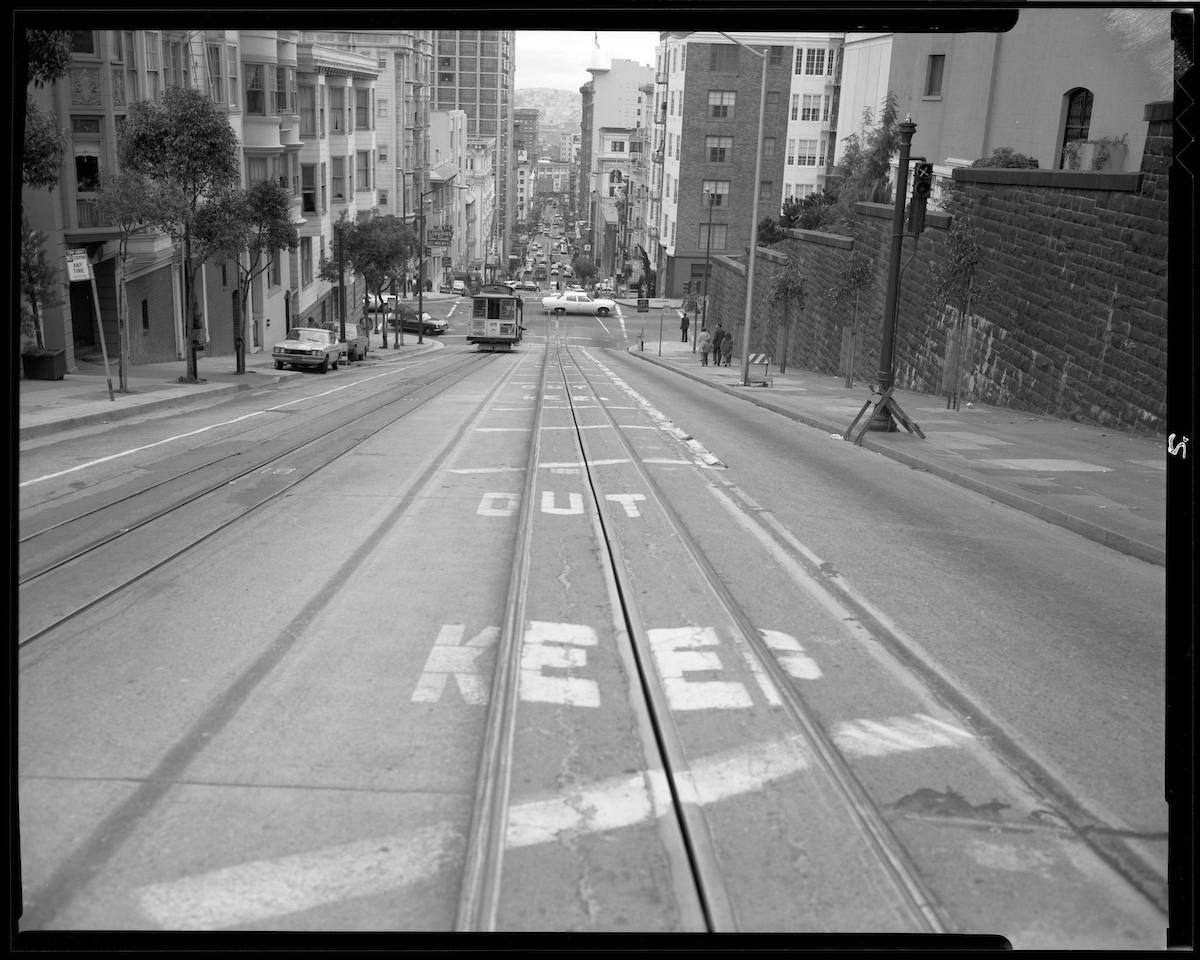
Transit-only lane along the Powell Street cable car tracks from California to Pine Street | November 27, 1973
New equipment, transit priority and a focus on complete funding for Muni were initial hallmarks of the policy. The passage of Proposition E, a city charter amendment, in 1999 further enhanced Transit-First by including protections in the landmark legislation for people walking and bicycling.
“San Francisco’s Board of Supervisors showed remarkable foresight in adopting the Transit-First resolution, and it no doubt helped San Francisco remain one of the strongest public transit cities in the nation,” said Jason Henderson, San Francisco State University Geography and Environment professor and author of Street Fight: The Politics of Mobility in San Francisco.
In addition to making transit, walking and biking more attractive, Transit-First also promotes equity. When residents have options beyond cars, employment and economic opportunity can grow, as does the opportunity to reduce greenhouse gases.
Professor Henderson believes San Francisco was the first city in the country to adopt a policy to prioritize public transit, but that doesn’t mean the work is done. “Transit-First must no longer be advisory,” he said. “[New policies are] needed so that public transit, cycling and walking are more than aspirational.”
In recent years, the “Muni Forward” program has reflected the Transit-First policy with 80 miles of transit priority street improvements. Among those improvements, diamond-marked transit lanes have evolved to become the present-day “Red Carpet” lanes reserved exclusively for buses and taxis to reduce travel times and the impact of traffic congestion on Muni schedules. Meanwhile, Market Street has gone through various redesigns in the downtown area over the years. Following boarding island and lane improvements, San Francisco’s busiest thoroughfare received its first red transit lanes in 2014 and was declared “Car Free” in a monumental celebration on January 29, 2020.
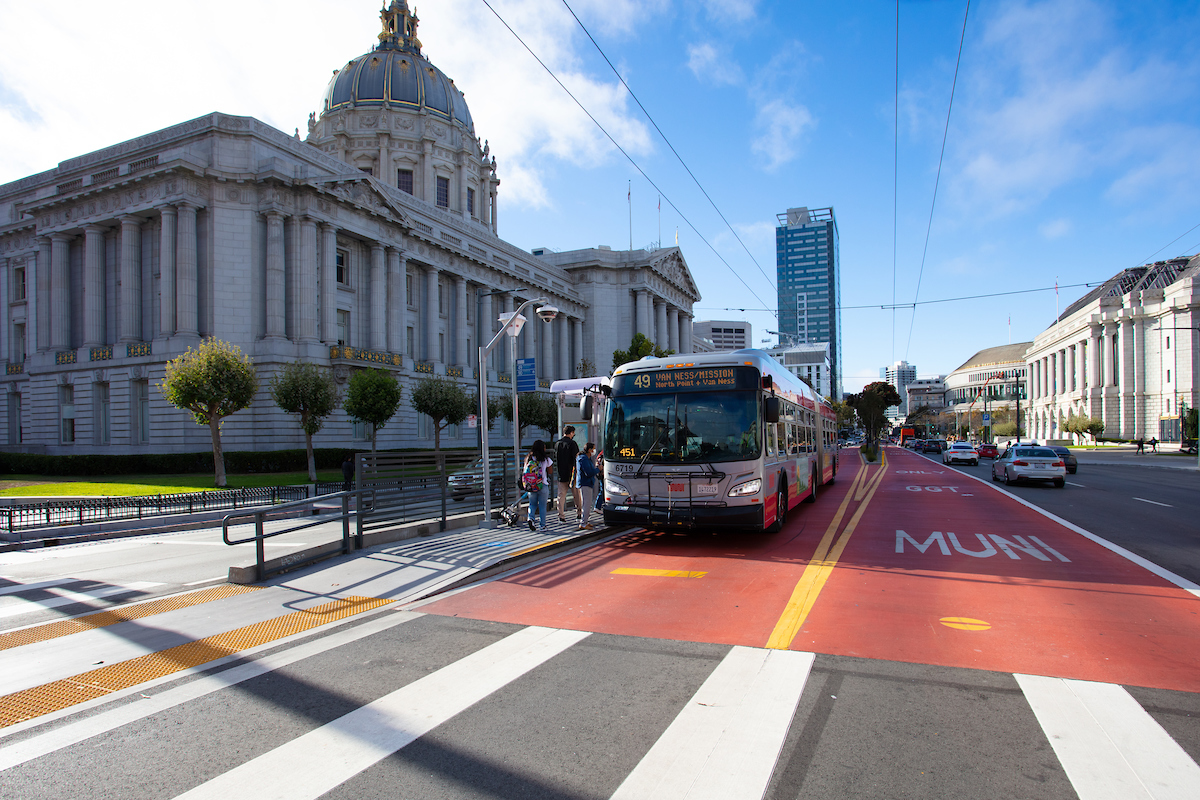
Riders board a 49 Van Ness/Mission bus near City Hall
Today we can see the Transit-First policy in action in the now open Central Subway and projects such as the Van Ness Bus Rapid Transit (BRT) corridor and the Muni Forward L Taraval Improvement Project that is now under construction to add transit lanes, make the route more accessible and improve pedestrian safety and visibility. With Transit-First entering its 51st year, there are new challenges as the COVID-19 pandemic has driven many people back into private cars. However, the SFMTA’s improvement projects continue with a focus on proven strategies that make transit, walking and bicycling the city’s preferred modes of travel.
Published March 18, 2023 at 01:12AM
https://ift.tt/Sh721dV
Show HN: Weigh My Luggage – Just bring a bathroom scale https://ift.tt/lIOmn06
Show HN: Acid Chess – The Chess Computer for nerds, by nerds https://ift.tt/GzAmY0H
Jumat, 17 Maret 2023
Show HN: GPT4 – Full Playthrough of Pokemon Yellow https://ift.tt/yWx9srX
Reimagining Potrero Yard – A Community Open House, Saturday, March 18
By John Angelico
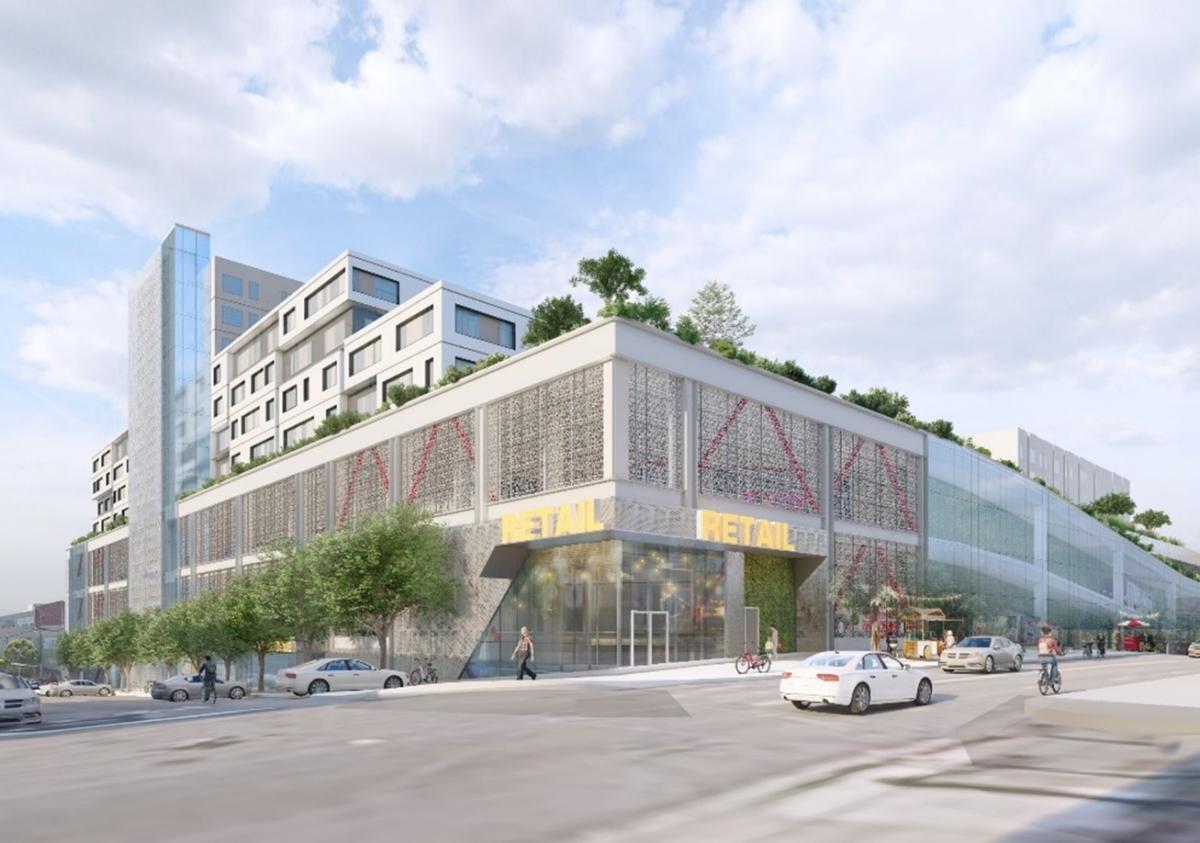
This conceptual rendering shows one of the proposed spaces in the Potrero Yard project designated for small businesses and non-profits at the intersection of 17th and Hampshire streets. (Image: Arcadis IBI Group)
This Saturday we’re joining the Potrero Neighborhood Collective (PNC) developer team to host a community open house for the Potrero Yard Modernization Project, the nation’s first joint development of a bus facility with integrated housing and retail. Learn about how we’re improving transit by replacing a century-old bus yard with a modern facility, as well as addressing SF’s need for affordable housing. Please join us to view the latest designs and give your input on this groundbreaking project.
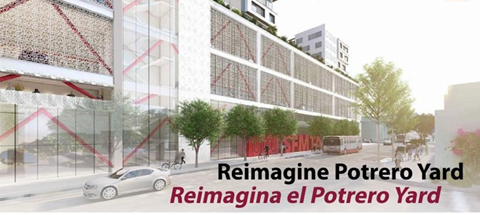
Join us! Reimaging Potrero Yard. Saturday, March 18, 2023, 1-3 p.m. KQED, 2601 Mariposa Street, SF. (Conceptual rendering from Arcadis IBI Group)
What: Reimagining Potrero Yard Community Open House
Español - Reimagina el Potrero Yard. Sábado 18 de marzo, 1-3p.m. KQED, 2601 Calle Mariposa, San Francisco CA
When: Saturday, March 18, 1-3 p.m.
Where: KQED building, 2601 Mariposa Street, San Francisco, CA 94110
This event will be family-friendly with activities for all ages. Take a tour of Potrero Yard to get an inside look at this 108-year-old facility and check out the historic Muni bus we’ll have parked outside. Childcare and lunch will be provided.
Safety note: Closed-toed shoes required, and no strollers allowed on the tour.
For interpretation or other accommodations, please contact PotreroYard@plenarygroup.com or 415-646-2223 at least 48 hours before the event.
Topics we need community input on include:
-
Streetscape on 17th Street: What type of amenities and activities would you like to see on 17th Street to create a welcoming environment?
-
Spaces for small businesses & non-profits: What kind of neighborhood organizations or businesses would you visit? What type of street vendors would you like to see?
-
Landscaping choices along sidewalks: Creative landscaping can greatly improve the vibrancy and safety of spaces. We want your ideas — including which tree species you’d like to see.
-
Look and feel of the building: Do you have ideas on building materials? Let us know what colors, textures and artistic elements you’d like to see on the new structure.
-
Public art: Art in the public realm can enliven spaces and capture the essence of unique neighborhood characteristics. The project’s Public Art strategy will be developed with input from the community. Learn more at our upcoming informational presentation to the SF Arts Commission Civic Design Review Committee on Monday, March 20.
At the end of 2022, we selected the Potrero Neighborhood Collective to partner with the city and launch the current predevelopment agreement phase. This period lasts roughly 18 months. The Potrero Yard Modernization Project has always considered transparency and open dialogue to be key as we partner with the community to bring this project forward. The project would not be where it is today without that community partnership. This open house is an opportunity to help shape the project’s design before we break ground in 2024.
To learn more, visit the Potrero Yard Modernization Project (SFMTA.com/PotreroYard).
Published March 17, 2023 at 05:25AM
https://ift.tt/OVmQwbg
Show HN: Another crypto checkout page but with a flat $0.10 fee https://ift.tt/RNYvmZ7
Show HN: New Quantile-Based Subsampling Algorithm https://ift.tt/CnvXOwx
Can you beat my dad at Scrabble? https://ift.tt/YVRu3sq
Show HN: Notch – an off-the-shelf software ecosystem for chips https://ift.tt/tCeQmVx
Kamis, 16 Maret 2023
Show HN: Learn ML and AI infrastructure in the browser https://ift.tt/SPmjein
Show HN: Ingest data from your customers (Prequel YC W21) https://ift.tt/YgfnJwl
Show HN: Quality News – Towards a fairer ranking algorithm for Hacker News https://ift.tt/hv6TLK2
Rabu, 15 Maret 2023
Show HN: Discontent – Extension to combat garbage search engine results https://ift.tt/gVekM62
Show HN: Gamaddy – Play Online Games https://ift.tt/IQ7pOX0
Show HN: Learn Python with Minecraft https://ift.tt/GljKvDo
Show HN: Whatdoesthiscodedo.com – AI explanations for other people’s code https://ift.tt/PyWIkKf
Show HN: Built a blog using Rust and Axum https://ift.tt/xzcghr8
Show HN: Using GPT-3 and Whisper to save doctors’ time https://ift.tt/g8Svf61
Selasa, 14 Maret 2023
Show HN: Scriptable.run, make your product extendable by anyone. https://ift.tt/tzrpPnH
Show HN: AI Chat Bestie – Enhanced UI for ChatGPT API https://ift.tt/9rtDGXM
Tech Talk: Muni Predictions 101
By Christopher Ward
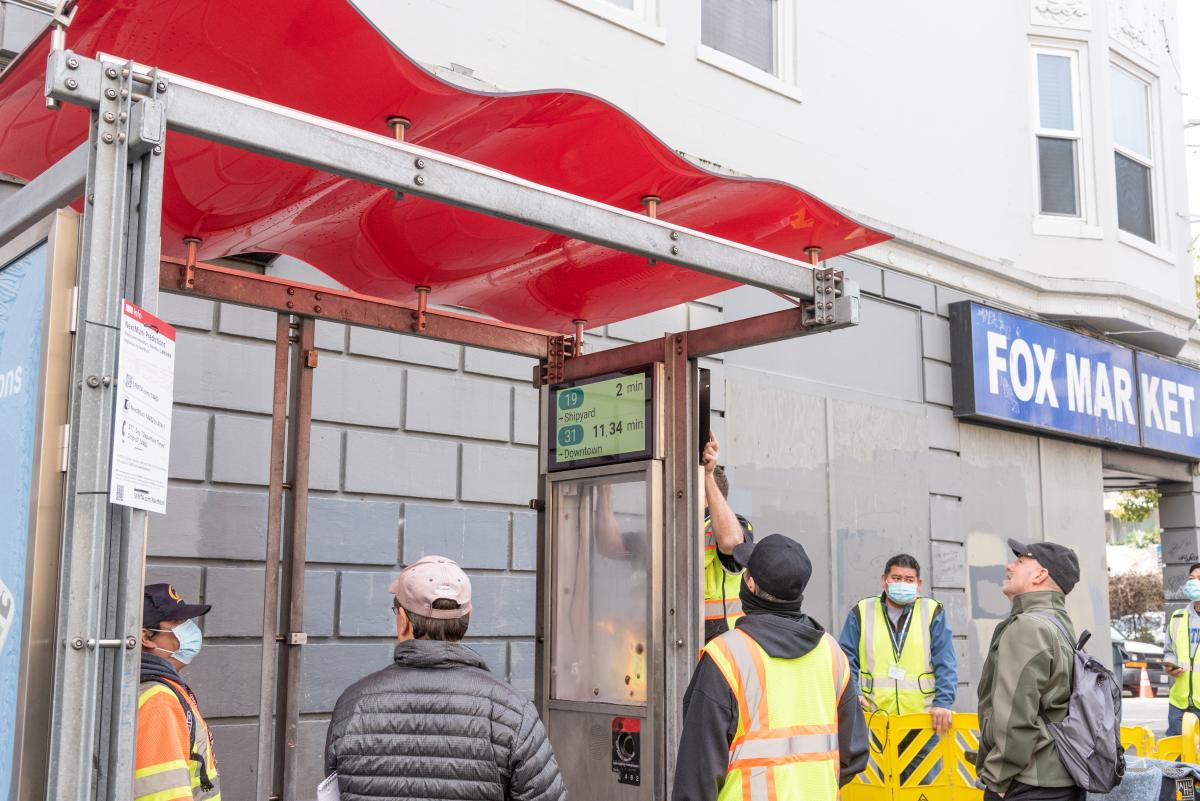 New Customer Information Systems are being installed and causing customer curiosity!
Got a burning question about the SFMTA’s Muni predictions that are made by our Next Generation Customer Information System (CIS)? We’ve got answers! Below are some of the frequently asked questions from Muni customers. Send us yours!
Where do Muni predictions come from?
Muni predictions come from data provided by multiple SFMTA systems including equipment on our vehicles. Real-time predictions are based on the real-time locations of Muni vehicles. A computer algorithm compares the real-time data to past travel times based on time of day, day of week, season and other factors that affect travel to predict future arrival times. Travel patterns in this historic data are applied to real-time data to generate accurate Muni predictions.
When the system has no real-time information, it uses Muni schedules to make predictions. This often occurs at or near terminals and during service changes. However, schedule data isn’t as reliable as real-time data, particularly because the SFMTA has made Muni service more reliable by shifting away from using schedules to headway management, scheduling service at regularly spaced intervals to reduce gaps and bunching, rather than clock times.
What factors impact predictions?
The two main problems with predictions are 1) vehicles in service but not showing up in the Customer Information System (we call those “surprise vehicles”) and 2) predictions made from the schedule, but the vehicle doesn't show up (we call those “ghost vehicles”).
A “surprise vehicle” is when a bus or train is running but it is not picked up by the real-time position data feed. This may be because of damaged equipment, a vehicle not signed into the system when it departs the division, or when changes are not entered into the system. When a vehicle is missing from the system, the wait times at stops appear longer than they actually will be. This happens because the prediction system does not “see” one of the vehicles.
A “ghost vehicle” usually occurs at stops close to the start of the line. You might see this at the stop when looking at the prediction countdown. When the count gets to zero, no vehicle appears! This happens because the prediction system is not picking up any vehicles while they are at the terminal and before they start the route. This results in the countdown relying on the schedule, even if the vehicle is delayed. If a vehicle is scheduled but not coming, then the countdown will end and there will be no vehicle. The system relies on the vehicle data when it is available, otherwise it will show the schedule information that may not be accurate.
The same problem occurs with trains as with buses but at an increased rate, because trains cannot pass each other like buses. Because of this, there are often service adjustments made at the control center to manage gaps that result in inaccurate predictions.
Why do different apps have different predictions sometimes?
The SFMTA generates vehicle information and shares this data openly for anyone to use cost-free. Third party apps like Transit, Google and Waze, as well as “mom and pop” apps, each have their own way of taking in and making use of the data that we provide.
These third parties are independent of the SFMTA and we do not keep track of the quality of their predictions. If customers experience problems, we recommend reporting the problem directly to the third-party and checking the predictions at SFMTA.com/Routes.
What does it mean when a Muni display says, “no predictions available?”
The “no predictions” message displays when there is no real-time vehicle data to generate predictions, either because the system is down or a vehicle is not logged into the system. This does not mean that isn’t service. Buses and trains are still running. If there is a service issue affecting bus or train operation, the SFMTA will display relevant information, make audio announcements, send out email and SMS alerts and post on Twitter.
What new features will be added and how can I learn more?
The Next Generation CIS screens now display real-time vehicle locations on a map and real-time on-board vehicle capacity information, along with arrival prediction times.
Some of the next features we plan to roll out are real-time alerts such as reroutes and elevator availability. We’re also improving terminal predictions, and we are working on multiple MuniMobile app upgrades.
For more information visit our CIS project and System Updates websites!
Published March 13, 2023 at 11:57PM
https://ift.tt/kbzOgSZ
Senin, 13 Maret 2023
Show HN: I revived a game I abandoned 5yo ago and released it for free today https://ift.tt/6QZYpHF
Show HN: This Job Does Not Exist https://ift.tt/bWrCFYg
Show HN: Mermaid Flow https://ift.tt/uwIEvcM
Show HN: OpenAI based PR reviewer and summarizer https://ift.tt/uhLEs90
Show HN: Topiary: universal formatter engine using treesitter https://ift.tt/KBJzN0p
Minggu, 12 Maret 2023
Show HN: Hacker News LCD Badge https://ift.tt/us34vTk
Show HN: Find the most climate friendly meeting location https://ift.tt/DPptzEi
Sabtu, 11 Maret 2023
Show HN: ReplGPT.jl, a ChatGPT shell mode for Julia https://ift.tt/w0BM7b3
Show HN: structured-ripgrep – Ripgrep over structured data https://ift.tt/Bid6r4j
Jumat, 10 Maret 2023
Show HN: Homepage.gallery – Find your web design inspiration https://ift.tt/5nWcEBe
Show HN: Send an AI Generated Physical Letter to Congress in Seconds https://ift.tt/rntP94O
Show HN: A-Pass – small little password manager https://ift.tt/M9nK8Nf
Show HN: Safe Data Changes in PostgreSQL https://ift.tt/Qtp8rDB
Show HN: APIRank.dev – we crawled and ranked 5651 public APIs from the Internet https://ift.tt/BHXx2uh
Show HN: ChatGPT-i18n – Translate websites' locale json files with AI assistance https://ift.tt/OLXEM3j
Kamis, 09 Maret 2023
Show HN: Reverse Proxy as a Service https://ift.tt/dLpzZiv
Show HN: BBC “In Our Time”, categorised by Dewey Decimal, heavy lifting by GPT https://ift.tt/r0hYjOB
Muni Safe Driver Awards 2023
By Sophia Scherr
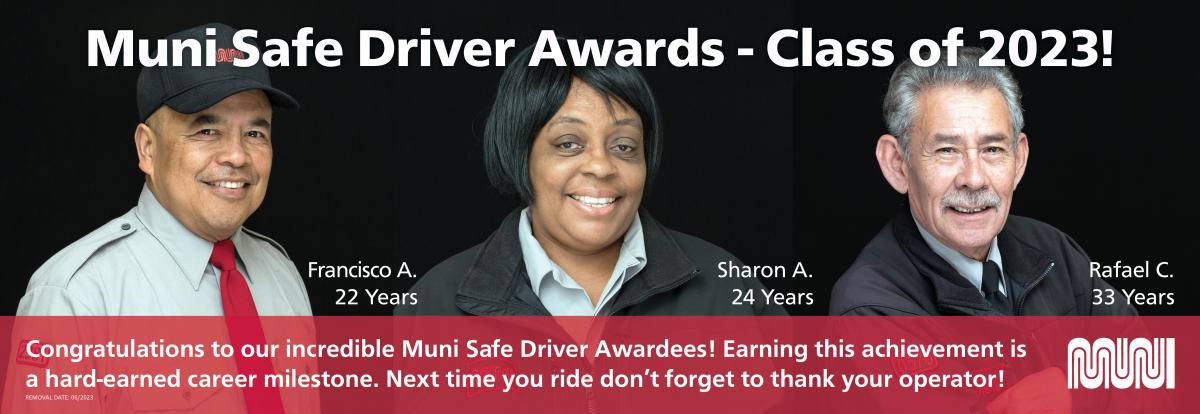
Keep an eye out for one of our Safe Driver Award PSA’s on your next Muni ride & don’t forget to thank your operator!
Driving through San Francisco’s winding and hilly terrain in any vehicle is tricky. Doing so in a 40-foot bus, cable car or streetcar is not as easy as our operators make it seem. Despite these challenges, every day our Muni operators connect San Franciscans to where they need to go safely.
This Saturday marks the 50th Safe Driver Awards, where we celebrate our transit operators who have put safety first in their efforts to deliver you to your home, work and communities. This year 249 operators earned the distinction of being a Muni Safe Driver. Receiving a Safe Driver award is a hard-earned career milestone — to achieve it, operators must have driven at least 1,952 hours during the past fiscal year (July – June) without a preventable incident or collision. Quite a few operators have maintained their Safe Driver status for several decades. Now that’s a dedication we applaud!
This Saturday, we’ll recognize the following operators for 35+ years of continued safe driving:
-
Oliverio V. – 48 years (Cable Car)
-
Lonnie M. – 45 years (Green Division)
-
Jason L. – 38 years (Green Division)
-
Eddie C. – 35 years (Cable Car)
-
Andrew M. – 35 years (Cable Car)
“I can’t thank our operators enough. They show up to work every day with a commitment to keeping our riders safe. Those recognized at the Safe Drivers Awards ceremony display extraordinarily safe driving track records,” said Jeffrey Tumlin, Director of Transportation. “All our operators have worked throughout the pandemic and in very difficult driving conditions or challenging environments with safety as their top priority. They are the heroes that positively represent our agency daily and deserve the utmost praise for their service!”
The SFMTA and our city rely on our Muni operators to keep the city moving by providing daily service to hundreds of thousands of riders throughout the Muni network. We not only honor these incredible 249 operators, but all the employees who work hard to make safety the standard by which we operate. Next time you ride, don't forget to thank your operator!
Published March 09, 2023 at 01:19AM
https://ift.tt/b4zvhVk