
via Nurul Wahyudah Prastyo http://bit.ly/2v35ShK
Tomorrow, April 12, 2019 marks the 100th anniversary of service on the L Taraval Line! The establishment of the L paved the way for development of the Parkside and southwest corner of the Sunset District but like many transit lines in San Francisco, its history is a bit more complex than simply laying down tracks and running streetcars. To celebrate this centennial, here is a brief look back at the history of one of Muni's oldest rail lines.
A Destination in the Dunes
The story of the L goes back to the early days of the 20th century and the first streetcar line to serve the fledgling Parkside neighborhood along Taraval Street between 19th and 33rd Avenues. The predecessor to the L was built by the Parkside Transit Company and operated by the United Railroads of San Francisco (URR). It ran down 20th Ave. from Lincoln Way, ending at Taraval and 33rd to connect the sparsely populated area with downtown-bound streetcars on Lincoln. Unfortunately for Parkside residents, this route to downtown was circuitous and infrequent and they quickly lobbied for a better alternative.
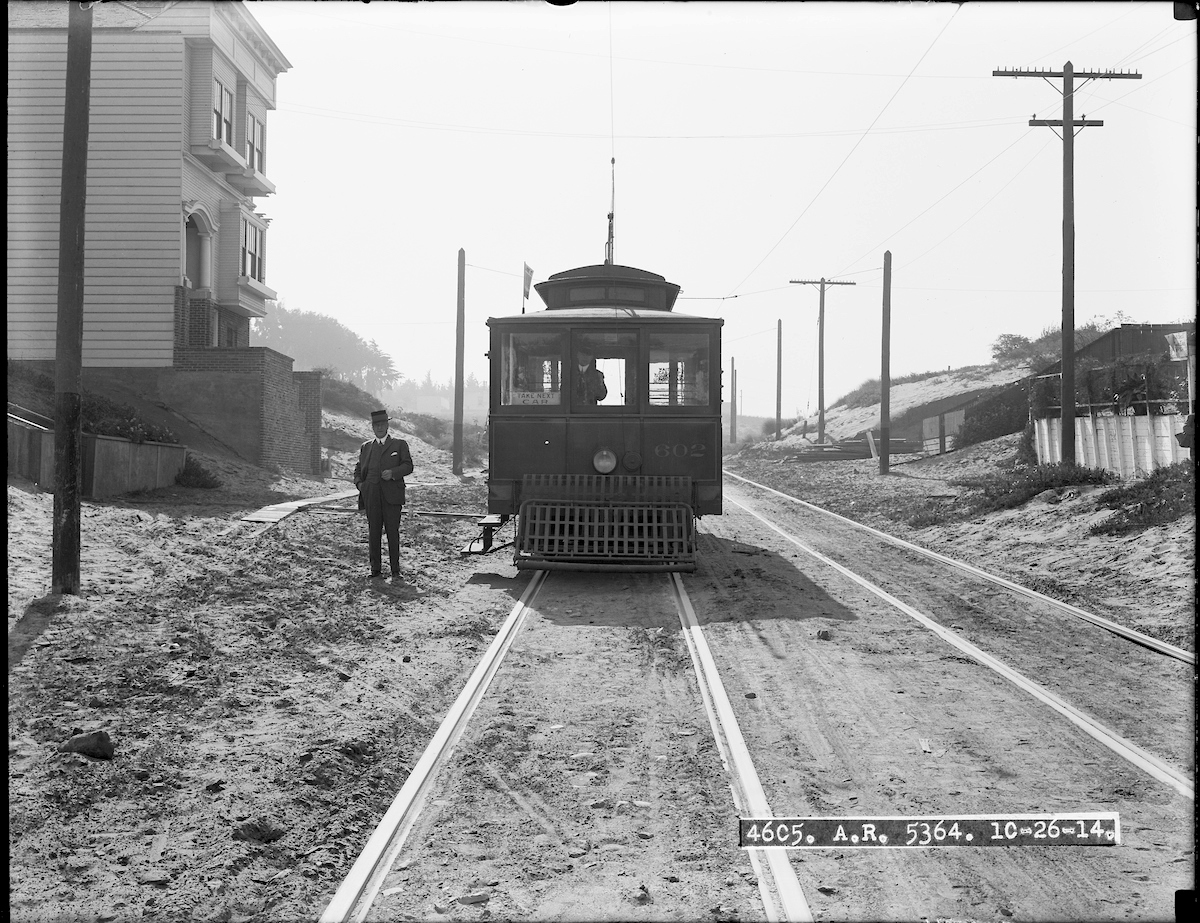
This shot on 20th Avenue from 1914 gives some idea of just how undeveloped the Sunset area was around the time that the L was being built. The streetcar line pictured here was one of the earliest routes to serve the developing Parkside District.
An Open Opportunity
Following the opening of the Twin Peaks Tunnel and K Ingleside service in 1918, a real opportunity opened up for improved transit service to the areas west of Twin Peaks. The tunnel provided a much more direct route to downtown than had previously been available, cutting travel time significantly. The City recognized this opportunity and quickly set about making plans for the L. By the end of 1918, construction on the L began after an agreement had been reached for Muni to share tracks on Taraval between 20th and 33rd Avenues with URR's Parkside shuttle line.
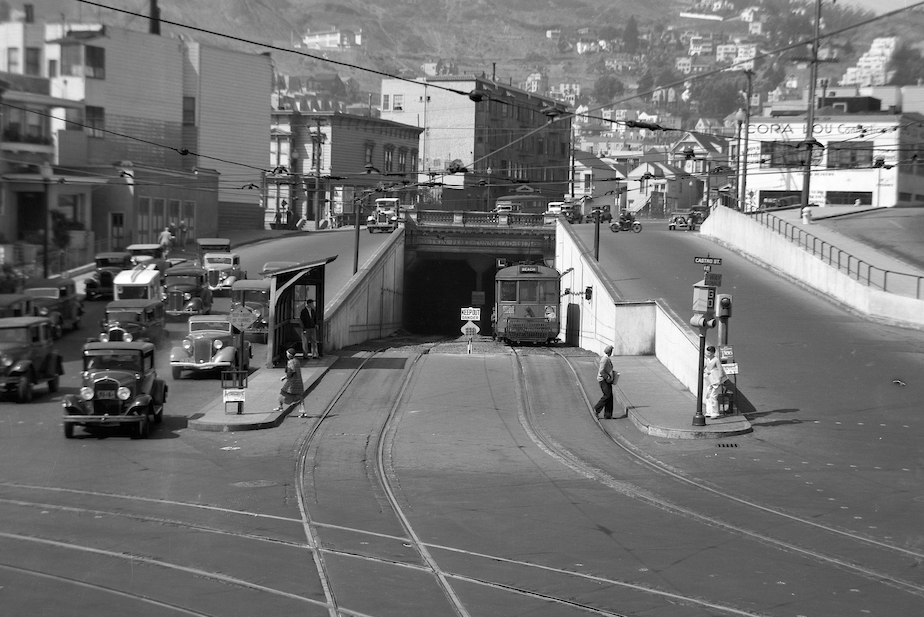
An outbound L streetcar enters the Twin Peaks Tunnel at its eastern portal on Market and Castro Streets in this 1935 shot. The tunnel cut travel time to downtown significantly, helping spark greater development west of Twin Peaks via Muni's streetcar lines.
Birth of the L
After just a short construction period, service on the L began on April 12, 1919, marking the birth of Muni's 13th streetcar line. At this time, Muni ran small "dinky" streetcars on the L as a shuttle from West Portal and Ulloa to Taraval and 33rd due to low ridership in the sparsely populated region. Passengers headed downtown would have transferred at West Portal to the K Ingleside.
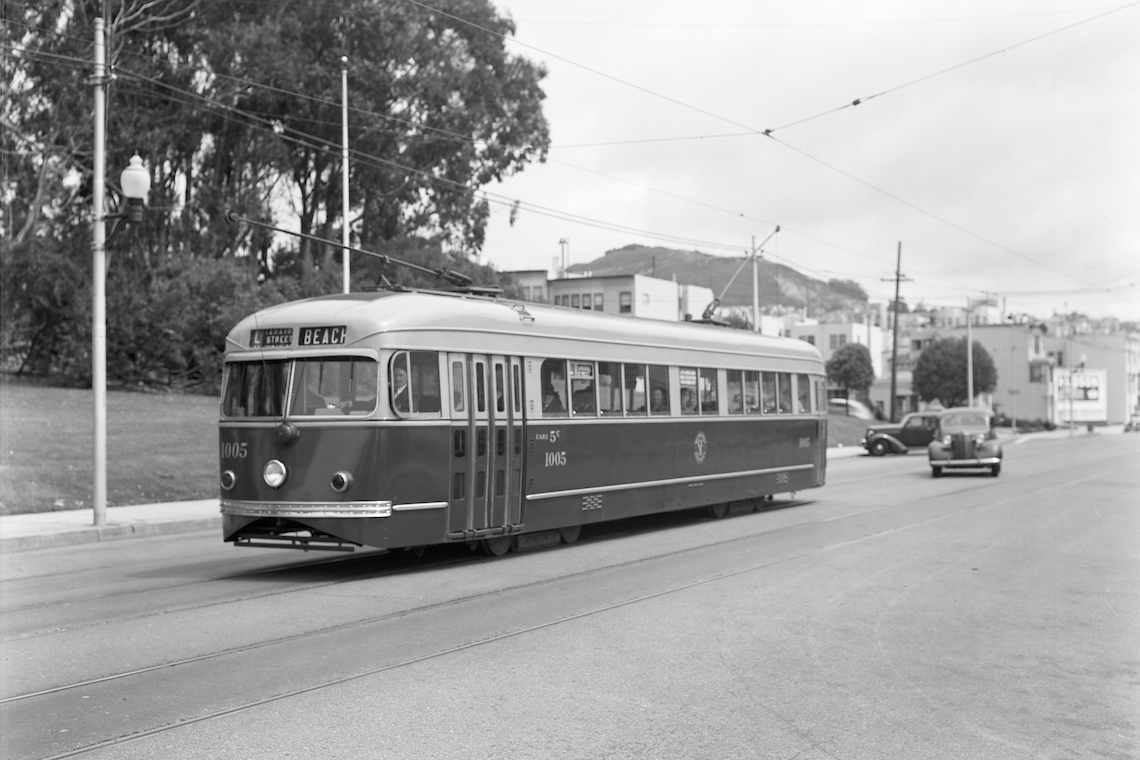
One of Muni's streamlined "Magic Carpet" cars heads outbound on the L in this 1940 photo, taken around Taraval and 24th Ave.
Bay to Breakers
Four years after start of service, the L saw its first major growth spurt in 1923 when tracks were laid all the way to Taraval and 48th Avenue. That same year, Muni expanded service to the Ferry Building via the Twin Peaks Tunnel and Market Street and began using full-sized streetcars to carry more passengers to and from the developing outside lands. For the first time, residents of the southwest corner of the city had a direct rail connection from the waters of the Bay to the breakers of the Pacific Ocean.
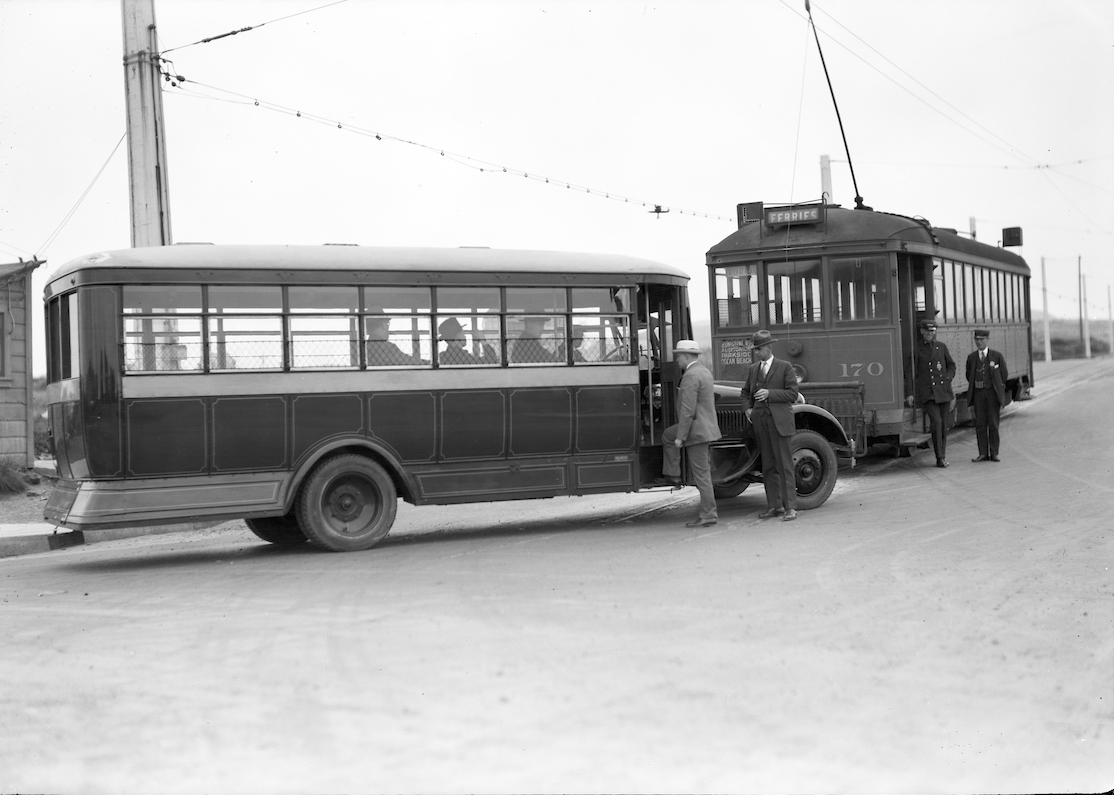
This 1925 photo was likely taken to promote the extension of the L to 48th Avenue. The bus pictured is from Muni's #2 Ocean bus line, which ran north to south between Cabrillo and Sloat.
Expansions and Attractions
A little over a decade after the L Taraval's extension to Ocean Beach, the line saw yet another expansion of service in 1937 when tracks were laid to its present-day terminal at Wawona Street and 46th Avenue. Funded by the Works Progress Administration, this extension brought Muni riders to two of the Outer Sunset's most desirable destinations- the Fleishacker Pool and San Francisco Zoo. Despite the draw of the Zoo, Pool and low real estate costs, this area would remain largely undeveloped for at least another decade.
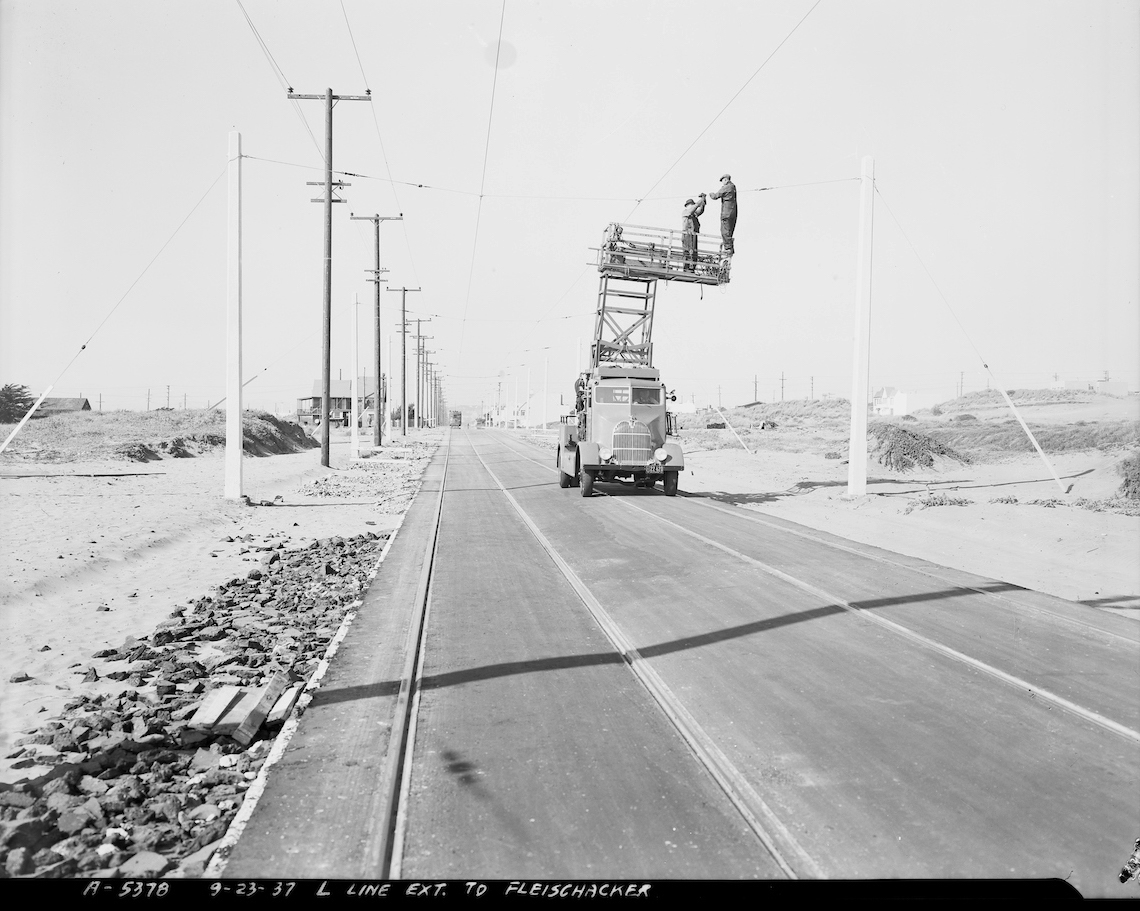
An overhead line crew installs new power lines to extend the L to the Fleischacker Pool and Zoo in this 1937 shot. As late at the early '50s, many sandy lots stood empty at the outer fringes of the L.
In the intervening years, the L has transitioned from streetcars to light rail vehicles as part of the Muni Metro system redesign but not much else has happened until recently. In its 100th year, the L is looking at another round of renewal and improvement. Work is slated to begin on the L Taraval Improvement Project later this year and includes replacement of worn tracks and pavement, landscaping, new traffic signals to improve traffic flow and safety improvements for all the residents who use Taraval Street. Stay tuned to SFMTA.com/Taraval for all the project details.
Looking for more history about the L and the area it serves? Check out some of our historic photos online, or the photo exhibit we've put together that will be displayed at Andytown Coffee Roasters on Taraval and 40th as well as at the Zoo on April 20th. And don't miss these great podcasts put out by Western Neighborhoods Project: #245 L Taraval, #79 Parkside District, and #14 San Francisco Zoo.
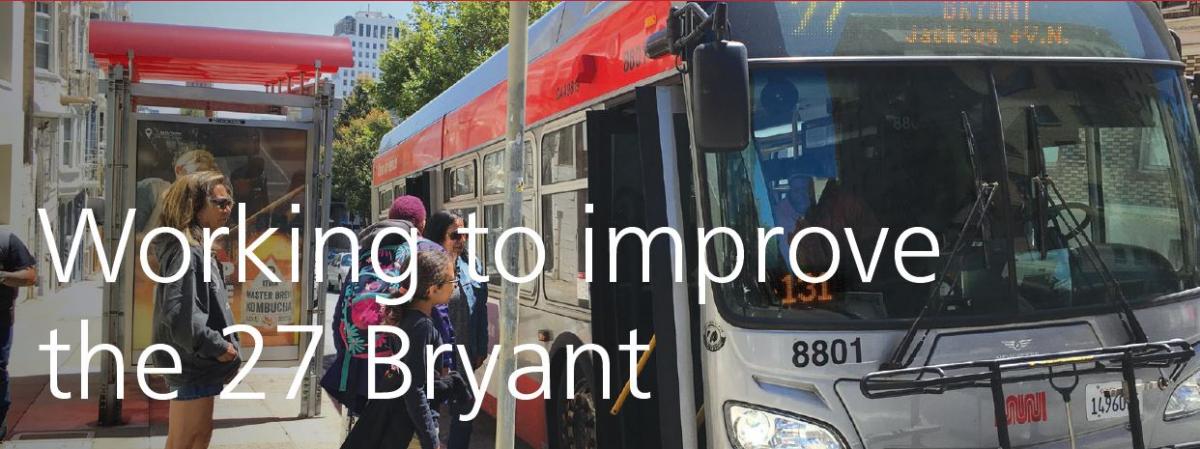
The 27 Bryant Transit Reliability Project aims to improve the reliability of the 27 Bryant and to enhance traffic safety for people walking along its route. The scope of the project focuses on the route north of Market Street where the 27 Bryant experiences the most delay and slowest travel times. The project applies principles of the Muni Service Equity Strategy, a neighborhood-based approach to improve transit routes most critical to households with low incomes and people of color.
North of Market the 27 Bryant currently stops on almost every block. To improve reliability and reduce delays, we are proposing the stop changes/removals shown on the map. The 27 Bryant Project proposal maintains 75% of stops (with 9 bus stop removals).
The proposed route adjustment, changing the route to run on Eddy instead of O’Farrell Street. This reduces the number of turns the bus has to make going towards Market, improving safety for transit operations.
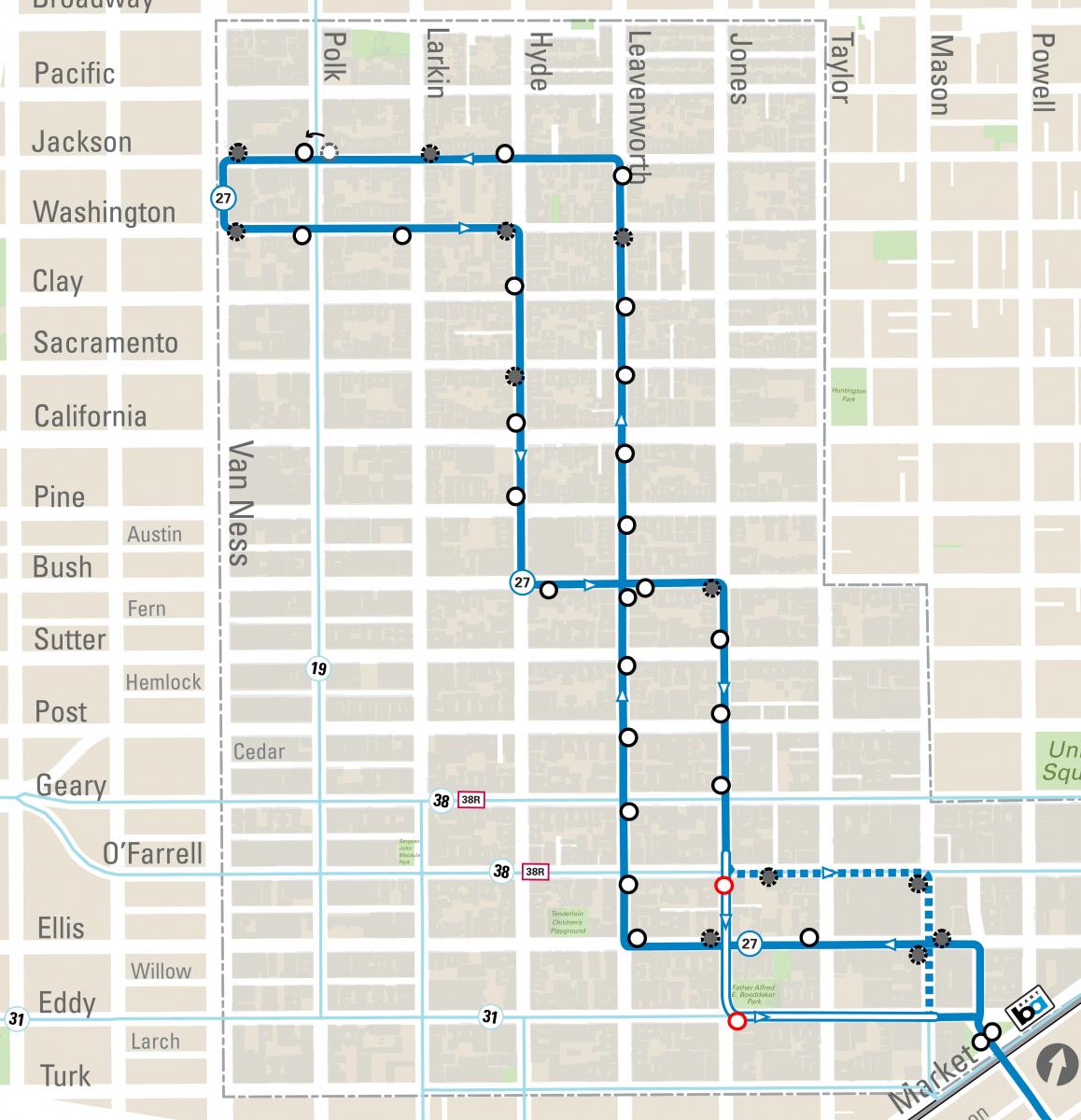
The project proposal was developed with input from over 500 diverse stakeholders in the Tenderloin, Nob Hill, SoMa and the Mission neighborhoods.
The project will be presented to the SFMTA Board of Directors for approval on Tuesday, April 16, 2019. If you would like to comment on the proposed changes, you may attend the SFMTA Board Meeting or file your comments in writing before the hearing.
Learn more about the 27 Bryant Transit Reliability Project at SFMTA.com/27Project.

